What It’s Like To Live In Freeport, FL
February 5, 2026
February 5, 2026
Thinking about a quieter Gulf Coast home base where you can keep the beaches close without living in the middle of the crowds? Freeport offers that balance. You get bay access, room to breathe, and a small-town pace while staying within a practical drive of South Walton’s 30A communities. In this guide, you’ll learn what daily life feels like, how you get around, the types of homes you’ll find, and the trade-offs to consider. Let’s dive in.
Freeport sits inland in Walton County with shoreline and access to Choctawhatchee Bay and a network of bay-side waterways. You will notice a low-density feel, with a mix of rural parcels, established neighborhoods, and newer planned communities. The setting leans more small-town and residential than resort.
Freeport functions as an inland counterpart to the busy beach corridor. Many residents live here for a quieter lifestyle and drive to the Scenic Highway 30A beaches and other Emerald Coast spots when they want sand and surf. You trade daily resort bustle for a calmer base that still keeps the coast in reach.
Like much of Northwest Florida, Freeport experiences seasonal patterns tied to coastal tourism. Spring, summer, and holiday periods bring heavier travel to and from the beaches. Expect busier weekends and peak-season traffic on main routes, especially when you head toward the coast.
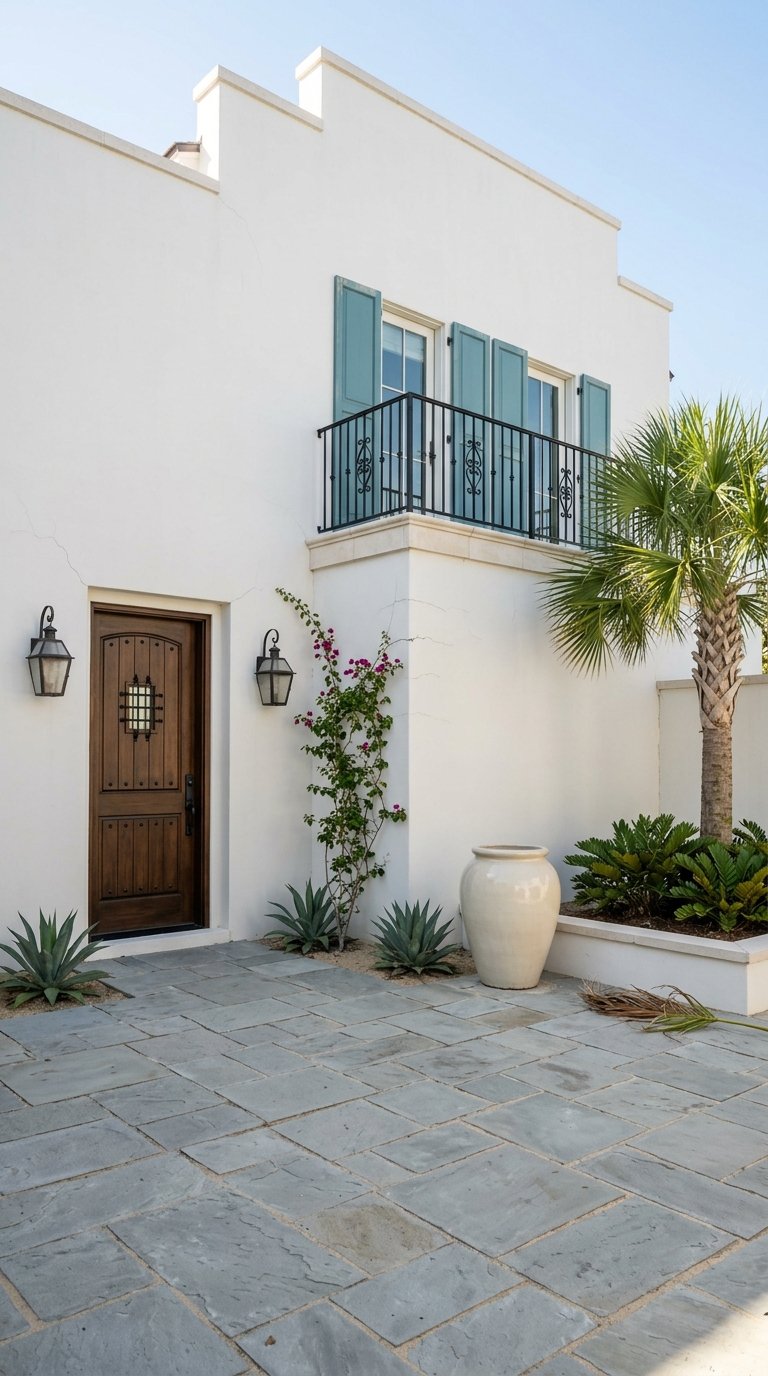
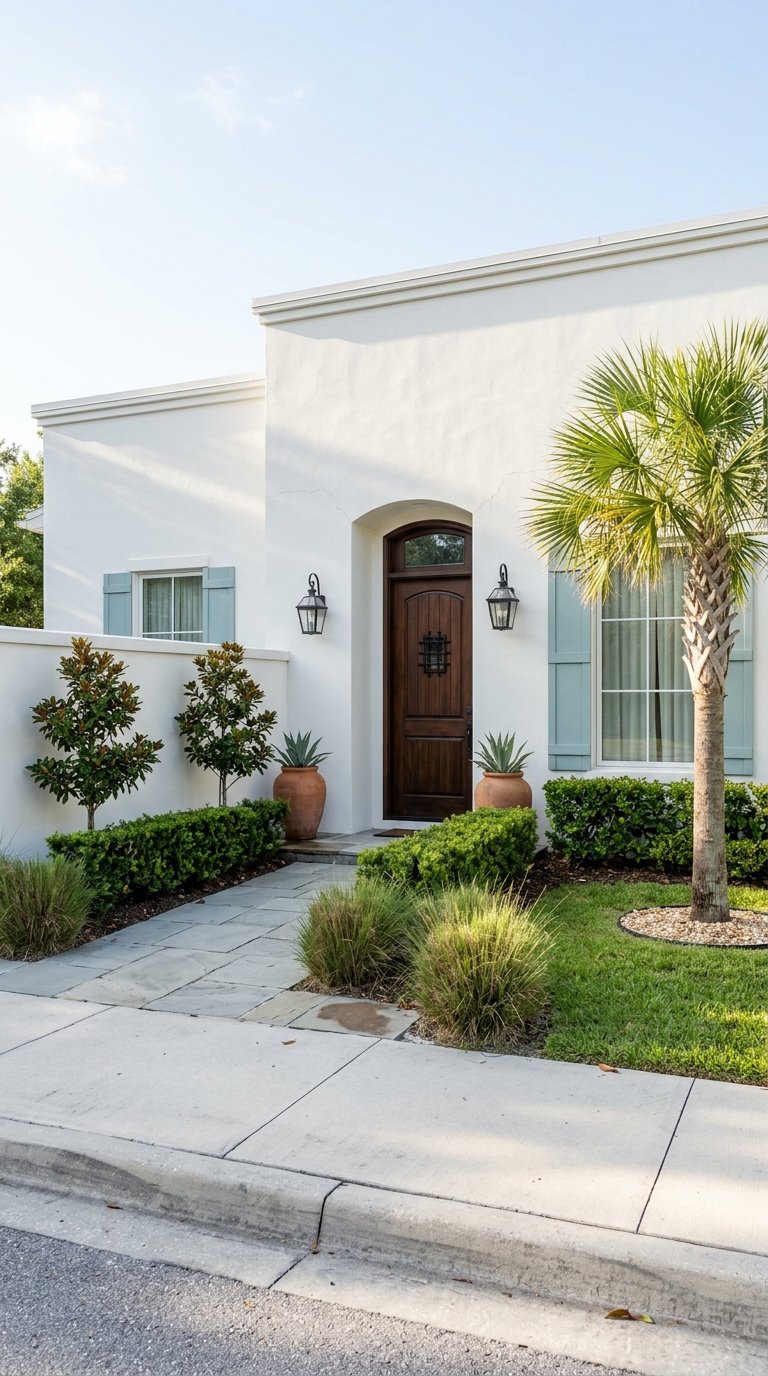
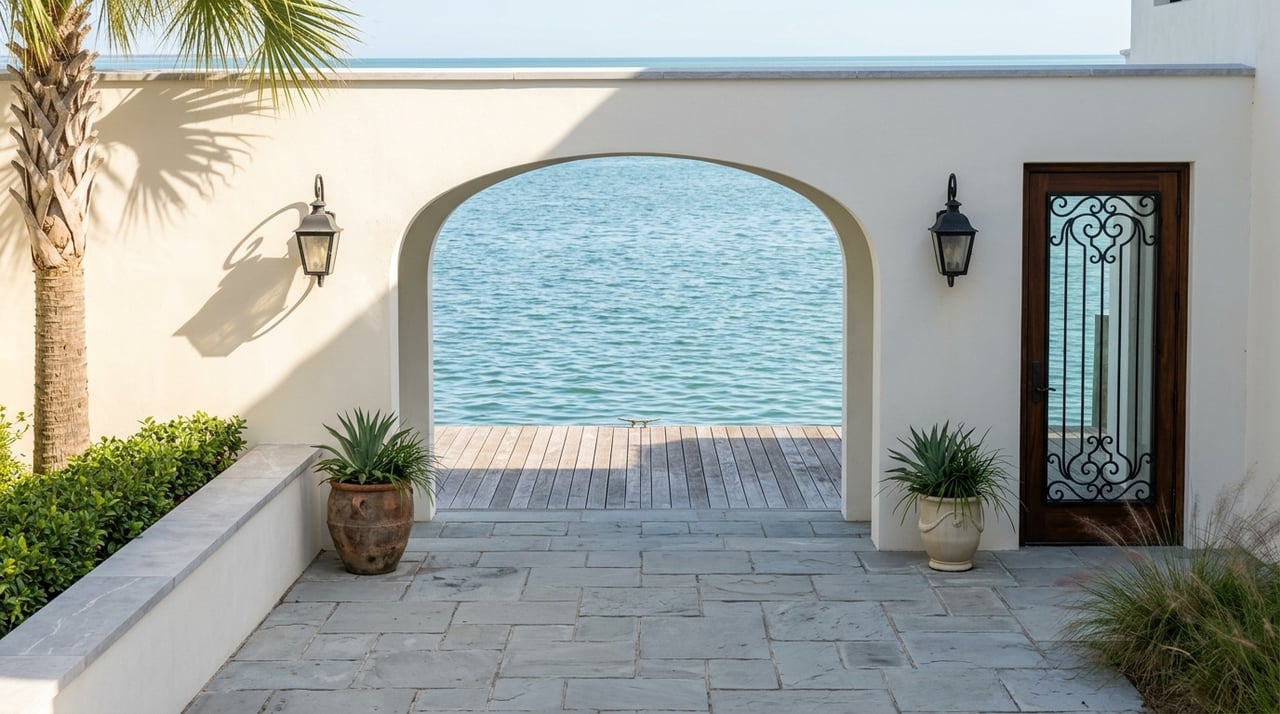
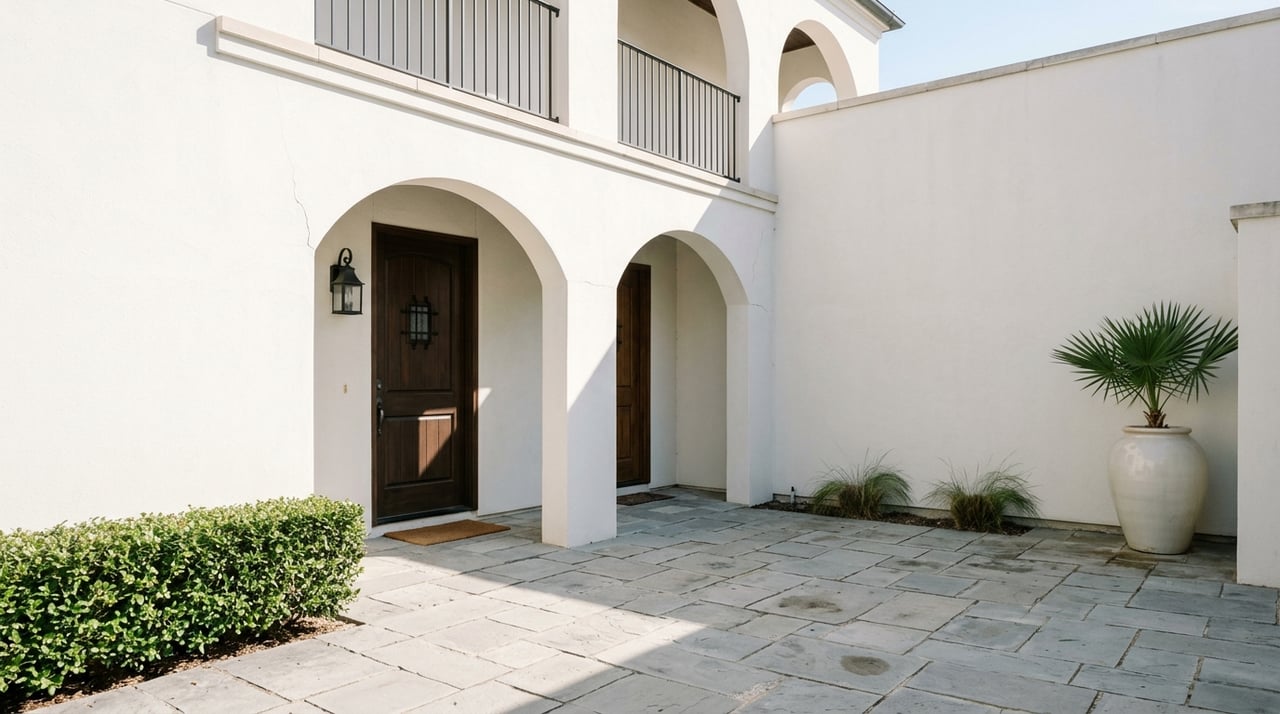
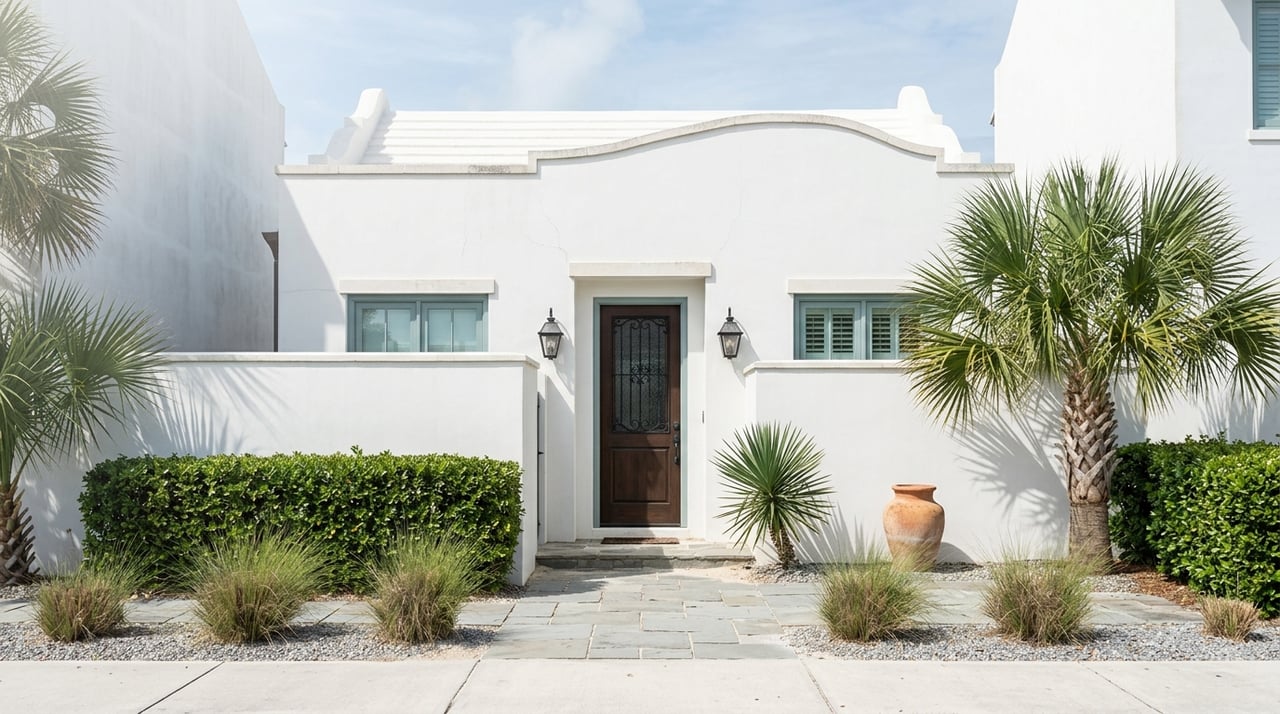
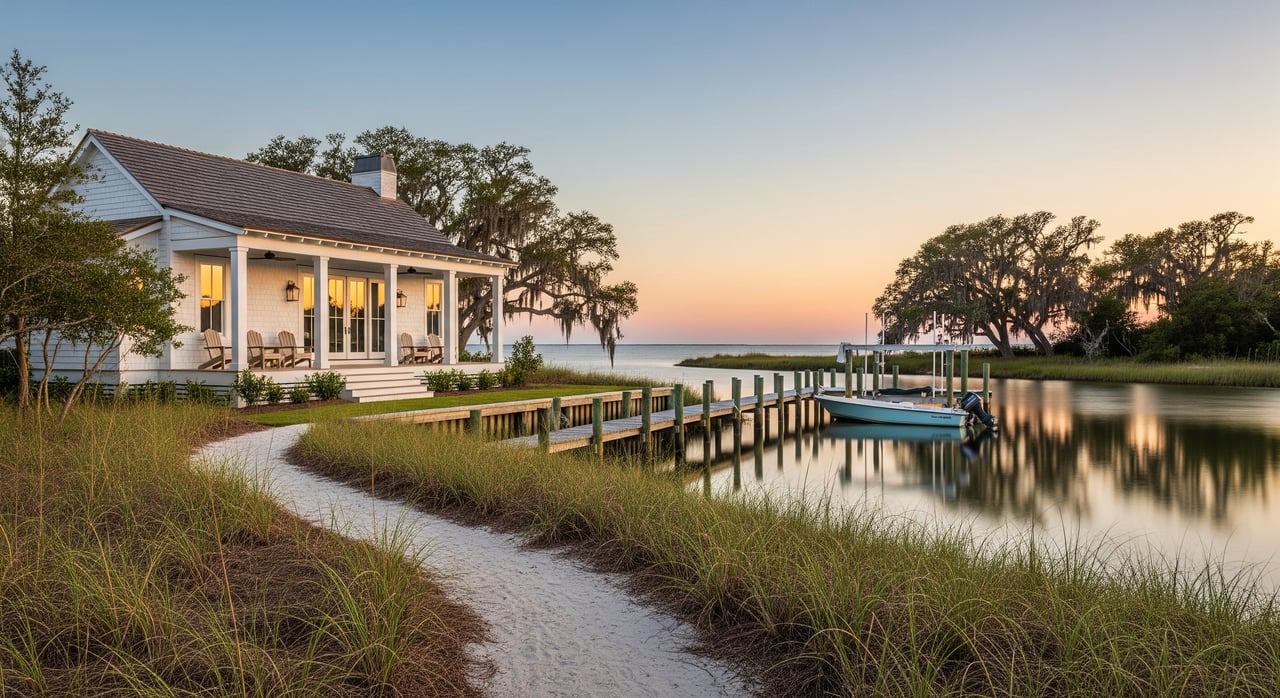
You will find a wide range of housing options. Single-family homes on small to large lots are common, from traditional ranch and cottage styles to newer contemporary designs. There are rural acreage parcels, manufactured or modular homes, and waterfront properties along bay-side creeks and canals. Waterfront living often centers on calmer bay waters with opportunities for docks or boat access.
New construction has been active across Walton County as demand spreads inland from the beaches. Around Freeport, you will see master-planned neighborhoods alongside established homes on larger parcels. This gives you choice in both lifestyle and architecture, whether you favor a community pool and sidewalks or a private, wooded lot.
If you are considering acreage or manufactured housing, be aware that lending requirements can differ from standard suburban homes. Down payments and appraisal standards may vary by property type. Lot size, utilities, and access matter too, so it is smart to review parcel details early in your search.
Waterfront and near-water properties can involve special considerations. Floodplain mapping, wetlands, and drainage rules can affect improvements and construction standards. Even inland parcels may have local environmental or permitting factors. If you have boating or dock plans, confirm access and approvals before you buy.
US Highway 331 is Freeport’s primary north–south spine. It connects you to Highway 98, the 30A corridor, and destinations to the north. For most residents, daily errands, commute trips, and beach runs start by hopping onto US 331 from local roads that feed into it.
Car travel is the dominant mode. Public transit options are limited, which is typical for many rural Florida towns. Traffic increases in coastal high season, and you may see delays at major intersections on US 331 during peak times. Planning errands for off-peak hours can make a noticeable difference.
Freeport’s central routing makes regional travel straightforward. You can reach coastal towns, shopping corridors, medical centers, and larger employment hubs by following US 331 to the main east–west routes. If you travel frequently, you will appreciate that regional airports and interstate connections are within a practical drive, with the exact time depending on your specific location and traffic.
Choctawhatchee Bay and its tributaries are central to the local lifestyle. Boating, fishing, kayaking, paddleboarding, and wildlife watching are part of everyday life for many residents. The bay’s more protected waters offer calmer conditions than the open Gulf, which is ideal for family outings and relaxed days on the water.
When you crave white-sand beaches, scenic bike paths, and beach-town dining, the 30A communities are an easy day trip. Freeport lets you enjoy that coastal lifestyle without living in a high-tourism zone. Pack the cooler, plan for peak-season traffic, and you are set for a full beach day or a quick sunset visit.
Beyond the water, you will find local parks, county greenspaces, and nature preserves that support hiking, birding, and family time outdoors. Trail networks and natural areas offer plenty of ways to get outside without driving to the beach. Many neighborhoods also include community amenities like pools, playgrounds, and walking paths.
Freeport’s social life reflects its small-town character. You can expect seasonal events, farmers markets, church gatherings, and local festivals in town or nearby. Residents often mix quiet weeknights at home with weekend beach trips, bay outings, and occasional nights out in coastal towns.
Freeport has local essentials like grocery options, gas stations, and casual dining. For specialty shopping, big-box stores, or a wide range of restaurants and entertainment, most residents drive to larger towns and beach communities along the main corridors. It is a practical setup if you do not mind planning your errands.
Basic medical services such as urgent care and primary care clinics are often available within or near town. For hospital-level care, residents typically travel to larger medical centers in neighboring areas. Most people plan around this by scheduling routine care on the same days they run other regional errands.
Utility provisioning depends on location. Many newer communities connect to central water and sewer, while rural parcels commonly use well and septic systems. Internet access also varies. Some areas have cable or DSL, while more rural spots may rely on fixed wireless or satellite. Fiber is expanding in parts of Florida but is not universal, so it is smart to confirm availability at any address you consider.
You will find everyday gathering places like libraries, community centers, churches, and parks anchoring local life. These institutions often host events, meetings, and volunteer opportunities that help newcomers plug in and meet neighbors.
Employment in and around Freeport includes retail, trades, construction, small business services, and roles connected to the coastal tourism economy. Many residents commute to nearby beach towns, regional medical and educational centers, or larger employers in surrounding counties. If your job moves around the region, Freeport’s central routing can be a plus.
Remote work has drawn some buyers inland for more space and lower housing costs than beachfront communities. If you work from home, confirm internet reliability at a specific address. Many residents blend remote schedules with occasional trips to coastal offices or client meetings.
Freeport appeals to people who want a calmer, more spacious everyday life with easy access to water and beaches. You can spend mornings on the bay, afternoons at the beach, and evenings on the porch without fighting resort-town crowds. On the other hand, you will make longer trips for some services, accept seasonal traffic on main routes, and plan for varying utility options depending on your location.
If that trade-off sounds right, Freeport offers a compelling mix of value, lifestyle, and flexibility. Whether you are seeking a primary home, a second home near the coast, or land for a custom build, the market here gives you options across price points and property types.
Ready to explore homes, understand neighborhood-by-neighborhood nuances, and plan a smooth move? Our boutique, owner-led team pairs local expertise with concierge service and modern digital marketing to guide you with confidence. Connect with the specialists at Beach House Sales and Development to get started.
You’ve got questions and we can’t wait to answer them.