Shopping for a coastal home in Freeport and wondering how the insurance piece really works? You’re not alone. Policies, deductibles, and flood zones can feel confusing when you add hurricanes and bayfront exposure to the mix. This guide breaks down the essentials so you can budget wisely, compare quotes fairly, and protect your investment with confidence. Let’s dive in.
Why coastal insurance is different in Freeport
Freeport sits near Choctawhatchee Bay and several waterways. That means your home can face wind, wind‑driven rain, and storm surge during tropical systems. Repeated high‑tide or nuisance flooding can also affect low‑lying areas. These risks shape how policies are structured and priced here in Walton County.
A standard homeowner’s policy usually covers wind damage, but it does not include flood. Flood insurance is a separate policy. If your property is inside a Special Flood Hazard Area, most lenders will require flood coverage. Your exact exposure depends on the specific parcel, its elevation, and how close it is to open water.
How wind coverage works in Florida
Wind damage is typically included in a standard homeowner’s policy, subject to your policy form and exclusions. In some cases, insurers handle wind differently or use endorsements. Ask the insurer to confirm whether wind losses are covered under the base policy and how roof repairs are valued.
Insurers expect you to prevent further damage after a storm. That can include tarping a roof or drying out wet areas. Quick action helps your claim and protects the property.
What to verify with any quote:
- Is wind damage covered in the standard form, or insured separately?
- How are roof repairs handled: replacement cost or actual cash value?
- Are there limits for mold or debris removal after a storm?
Hurricane vs named‑storm deductibles
Florida policies often include a special deductible for tropical systems. It usually appears as a percentage of your Dwelling Coverage A. Two common versions are:
- Hurricane deductible: Applies when a hurricane meets the policy’s definition. The trigger is often tied to official declarations.
- Named‑storm deductible: Applies when a storm is given an official name, even if it is a tropical storm. The trigger language can differ by insurer.
Percentages often range from 1 to 5 percent. Here is a simple example: if your Coverage A is $600,000 and the hurricane deductible is 2 percent, your out‑of‑pocket for a covered storm loss would be $12,000 before coverage applies.
Ask your insurer to spell out the trigger in plain language and show example math for your property. Also ask whether this deductible applies to contents and other structures, or only to the dwelling.
Flood insurance for bayfront buyers
Flood is not included in standard homeowner’s coverage. You can buy flood insurance through the National Flood Insurance Program or a private flood insurer. Lenders require flood insurance for properties inside a Special Flood Hazard Area such as zones AE or VE. Many bayfront parcels in Freeport fall into these zones.
Your flood premium depends on the flood zone, your elevation relative to the Base Flood Elevation, the foundation type, and prior flood claims. An elevation certificate is one of the most powerful documents you can provide. It helps price the risk accurately and can lower your premium if your living level is above the Base Flood Elevation.
Tips for flood quotes:
- Get a Flood Insurance Rate Map determination early in your purchase process.
- Request or commission an elevation certificate if one is not on file.
- Compare NFIP and private flood quotes, especially for newer or elevated homes.
Endorsements that matter near the bay
A few add‑ons can be especially valuable for coastal homes:
- Ordinance and Law: Pays for code‑required upgrades after a covered loss. Helpful for older homes that may need elevation or structural retrofits.
- Loss of Use or Additional Living Expense: Covers temporary housing if your home is uninhabitable after a covered event.
- Water backup: Adds protection for sump or sewer backup. This is different from flood.
- Sinkhole coverage: Florida has specific provisions. Confirm whether it is included or optional.
- Mold and debris removal: Check sublimits and caps so you know what to expect after a storm.
What shapes your premium in Freeport
Physical and location factors
- Proximity to open water: Bayfront and near‑bay homes face higher wind and surge exposure.
- Flood zone and elevation: Properties in AE or VE zones and homes below Base Flood Elevation often see higher flood premiums.
- Foundation type: Homes on pilings can reduce flood risk to living areas but still face wind and surge forces.
- Site conditions: Seawalls or bulkheads can reduce erosion but do not eliminate surge risk.
Structural characteristics
- Roof: Age, covering type, and attachment method matter. Hip roofs often perform better in high winds.
- Openings: Impact‑rated windows and doors or hurricane shutters can lower risk and sometimes premiums.
- Building code vintage: Homes built to newer Florida Building Code standards usually fare better and can underwrite more favorably.
Policy choices and deductibles
- Coverage limits and valuation: Replacement cost coverage on the dwelling usually costs more than actual cash value but protects better.
- Deductible strategy: Higher hurricane or named‑storm deductibles reduce premiums but increase out‑of‑pocket in a storm.
- Sublimits: Jewelry, watercraft, mold, and other categories may have lower limits unless you schedule or endorse them.
Mitigation and credits
- Wind mitigation inspection: A state form that documents roof deck attachment, secondary water barrier, opening protection, and more. Insurers often provide credits.
- FORTIFIED standards: Upgrades consistent with IBHS FORTIFIED Roof or FORTIFIED Home can reduce losses and may earn discounts.
- Permitting and documentation: Permitted roof and window upgrades with invoices help underwriting and speed up quoting.
- Elevation improvements: Elevating living space or adding flood vents can affect flood pricing for future policy periods.
Market and regulatory conditions
- Statewide reinsurance and loss history: Major storms can drive price changes and affect carrier appetite.
- Private carriers vs Citizens: If the private market declines a risk, Citizens Property Insurance can be a fallback. Coverage, pricing, and availability differ from private insurers.
How to shop and compare quotes
Start with good information. When you give underwriters clear details, you get better quotes and fewer surprises.
Documents to gather:
- Property address and your purchase contract if under contract
- Flood map panel or a lender flood determination
- Elevation certificate
- Photos of roof, windows, doors, and foundation
- Permit history for roofing and structural upgrades
- Prior insurance declarations and loss history if available
- Any lender flood‑insurance requirements
Exact questions to ask each insurer or agent:
- Is wind covered in the base policy or separate?
- Do you use a hurricane or named‑storm deductible? What exactly triggers it, and is it a percentage of Coverage A or a flat dollar amount?
- Please show example math for this property’s storm deductible.
- Flood is separate from homeowners coverage. What are my options and estimated premiums given this zone and elevation?
- Which wind‑mitigation credits can apply, and what documentation do you need?
- Is the dwelling insured at replacement cost? Are there caps or depreciation schedules?
- What are all my deductibles and how do they apply to contents and other structures?
- What sublimits should I know about for mold, ordinance and law, water backup, or jewelry?
- How do claims work locally in Walton County, and who handles adjusting and repairs?
- What is the insurer’s financial strength rating and consumer complaint index?
- If private carriers decline this risk, what would change with Citizens?
Apples‑to‑apples comparison checklist:
- Same Dwelling Coverage A limit and valuation method
- All deductibles listed side by side, with dollar examples
- Confirmation that wind is included or excluded, and that flood is quoted separately
- Endorsements included or excluded (ordinance and law, water backup, extended replacement cost)
- Limits for contents, other structures, and additional living expenses
- Premium breakdown showing surcharges, credits, and fees
Red flags and negotiation points:
- Vague deductible triggers without clear definitions
- Unclear wind coverage or missing endorsements you need
- Missing wind‑mitigation documentation that could lower your premium
- Consider a higher hurricane deductible only if you can comfortably cover the out‑of‑pocket risk
Freeport scenarios to consider
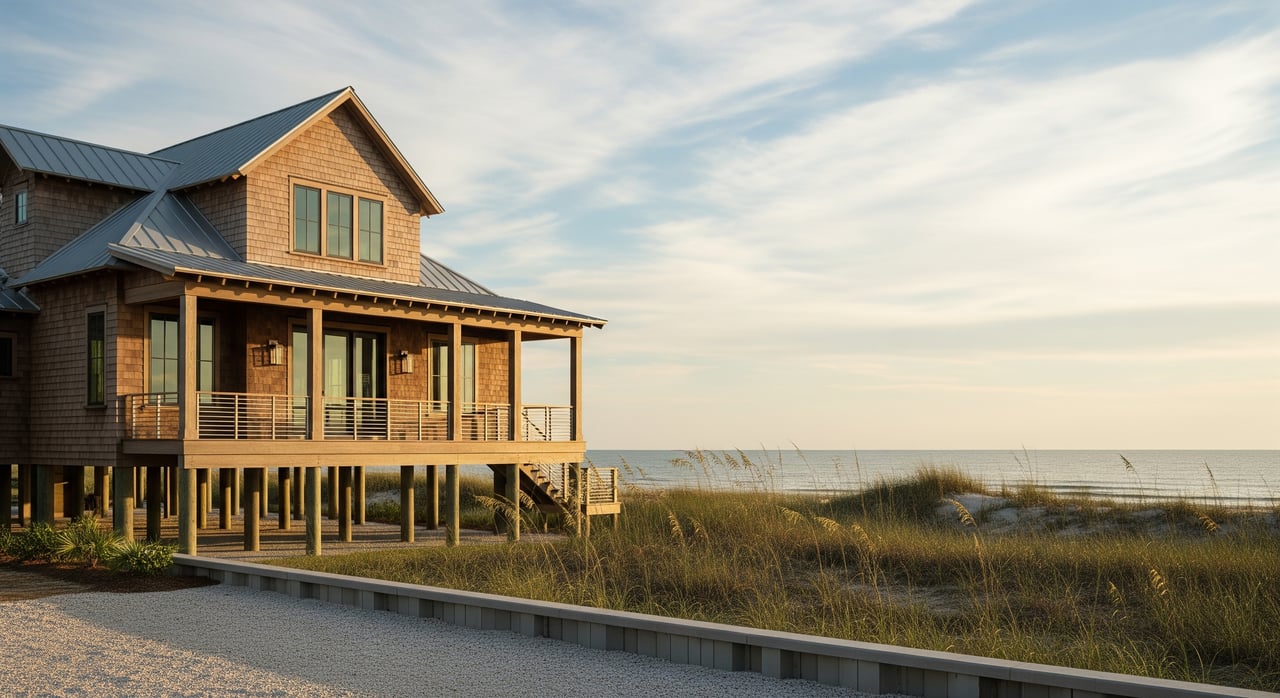
- Elevated bayfront home on pilings, post‑2010: Newer code compliance and elevated living areas can help both wind and flood outcomes. You still need to document elevation and foundation details for flood pricing.
- Older bayfront cottage with an aging roof: Likely inside a Special Flood Hazard Area and may have higher wind and flood premiums. Without shutters or impact glass, you may see fewer wind credits and stricter underwriting.
- Inland Freeport home near the bay on higher ground: Flood exposure may be lower if outside an SFHA, but wind remains a major factor. Check drainage and community plans for nuisance flooding.
Local next steps
- Confirm the FEMA flood zone for the specific parcel and obtain the elevation certificate.
- Order a wind‑mitigation inspection if the home has a newer roof, shutters, or impact‑rated openings.
- Ask carriers to define the hurricane or named‑storm deductible trigger and provide example math using your Coverage A.
- Quote both NFIP and private flood, then compare limits, exclusions, and pricing.
- Review permit history and any past storm claims tied to the property.
Buying on the water should feel exciting, not overwhelming. If you want local guidance on how insurance considerations affect your offer strategy, timelines, and budget, our boutique, owner‑led team is here to help. Reach out to Beach House Sales and Development for clear answers and a smooth path from offer to closing.
FAQs
What is a hurricane deductible in Florida and when does it apply?
- It is a special deductible, often 1 to 5 percent of your Dwelling Coverage A, that applies to covered losses when a policy’s hurricane trigger is met. Ask your insurer for the exact trigger and example math.
Do I need flood insurance if my Freeport home is not in a Special Flood Hazard Area?
- Lenders may not require it outside an SFHA, but flooding can still occur. Many buyers choose a preferred‑risk flood policy for peace of mind and to protect equity.
How does a wind‑mitigation inspection lower premiums in Walton County?
- The inspection documents features like roof deck attachment, secondary water barrier, and opening protection. Insurers often provide credits when you verify these features.
What is an elevation certificate and why does it matter in Freeport?
- It shows your home’s elevation relative to Base Flood Elevation and details foundation and flood openings. Insurers use it to price flood risk accurately and set premiums.
When do buyers end up with Citizens Property Insurance in Florida?
- If private carriers decline a risk, Citizens can be a fallback. Its coverage terms, pricing, and availability differ from private insurers, so compare details closely.
How should I compare NFIP and private flood options for a bayfront home?
- Line up limits, exclusions, deductibles, and pricing. Confirm how each policy treats contents, other structures, and any waiting periods so you can make an apples‑to‑apples choice.