Pricing a waterfront home in Lynn Haven is not the same as pricing an inland property. A small change in view, water depth, or dock condition can shift buyer demand and value in a big way. If you are planning to sell or make an offer, you deserve a clear, local framework you can trust. In this guide, you will learn how to evaluate view corridors, dockage, water depth, renovation level, and risk factors so you can set a confident price range. Let’s dive in.
What drives waterfront value in Lynn Haven
View corridors set the tone
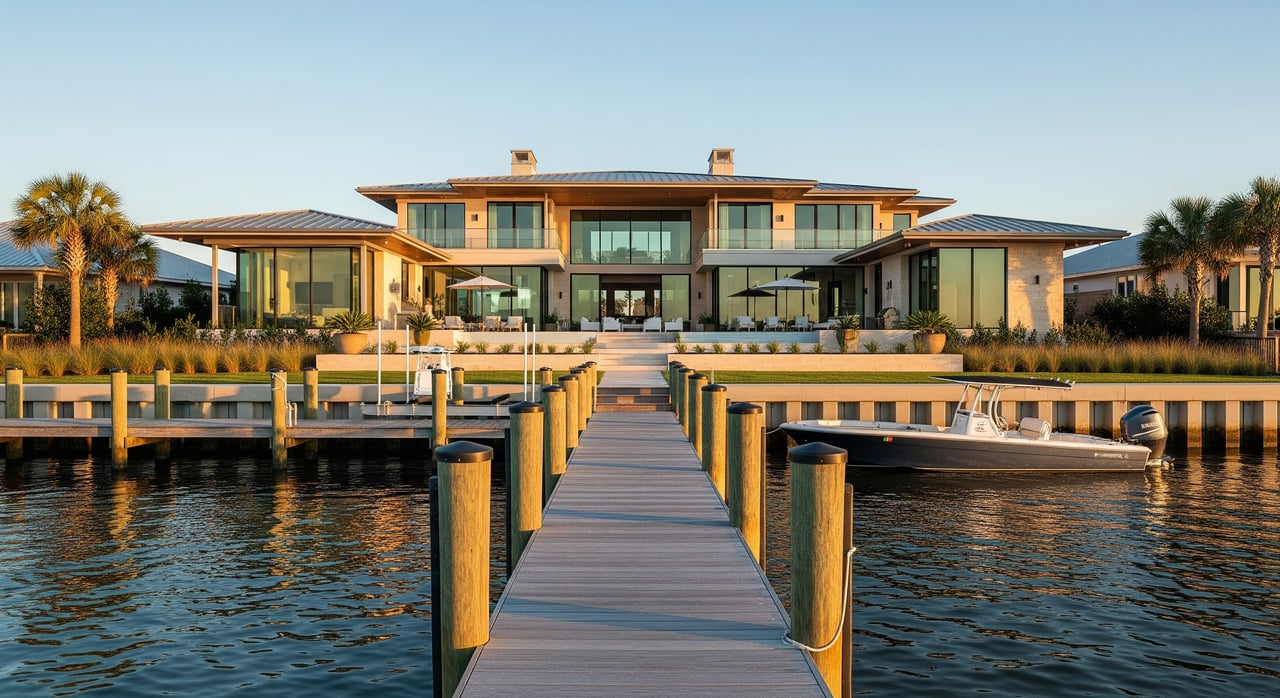
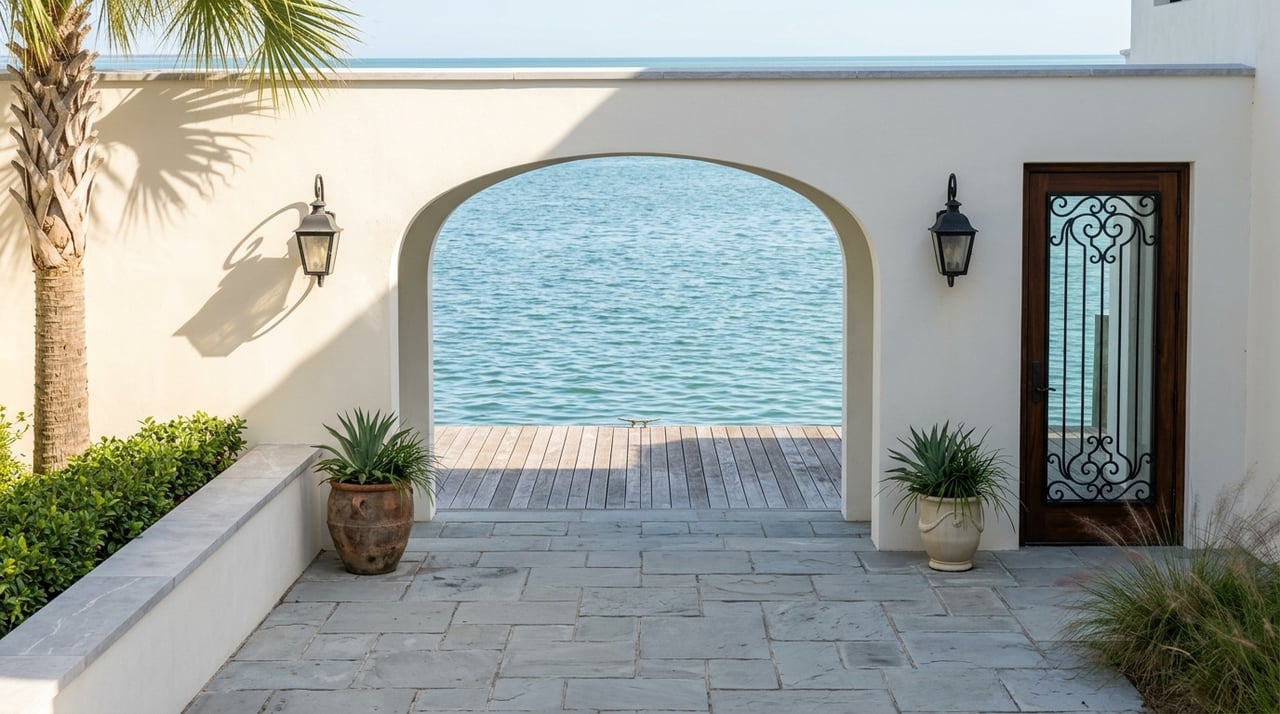
Your view is one of the first things buyers react to. Open St. Andrews Bay frontage with wide, unobstructed sightlines typically commands a premium over smaller bayous or canals. Partial or obstructed views usually trade closer to similar inland homes, while panoramic open-bay vistas pull the strongest pricing.
Buyers also care about what sits in the foreground. A quiet, natural view can feel more private than a view with marina activity or commercial structures. When you compare sales, group homes by view type and use high, medium, or low view quality as a key adjustment.
Quick checks:
- Walk the property at different times of day and tide.
- Stand in primary rooms and outdoor spaces to assess angles and width of the view.
- Note anything that could change, such as a buildable lot next door or tree canopy.
Dockage and lifts add utility
After the view, usable dockage is often the most valuable feature. A permitted, well-built dock and lift that fits typical local boat sizes can increase appeal and reduce a buyer’s immediate costs. An aging or unpermitted dock creates risk, delays, and price friction.
What to document:
- Permitted status and construction details.
- Slip dimensions, lift type and weight rating, and overall condition.
- Bulkhead or seawall condition and any recent repairs.
The market impact depends on the local boat buyer pool and replacement costs. In many cases, buyers value a functional, permitted setup close to its depreciated replacement cost. Unpermitted or unsafe structures often subtract value because of potential removal or retroactive permitting.
Water depth and access matter
Depth at mean low water and the path to navigable channels determine what type of boating you can enjoy from the property. Deeper water with short access to St. Andrews Bay has broader utility and typically draws more buyers. Shallow water or shoaling may limit boat size, which narrows demand and influences price.
How to assess:
- Confirm depth at the lowest practical tide and distance to a marked channel.
- Ask about any history of shoaling, dredging, or seasonal access issues.
- If needed, plan for a professional marine survey to verify conditions.
Renovation and resilience
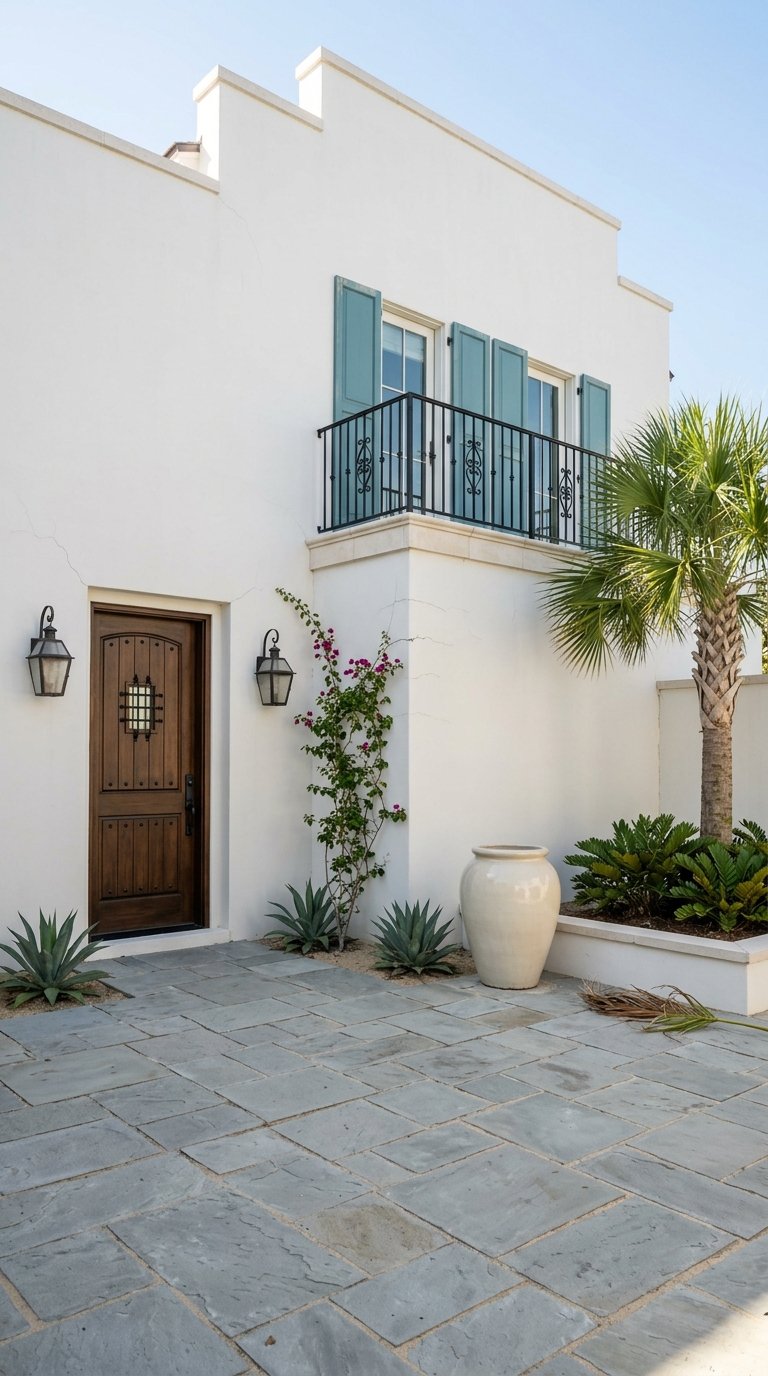
On the water, condition and storm-hardening carry extra weight. Buyers often expect updated systems and finishes to match the premium setting. Elevation and flood mitigation also matter. Homes with raised foundations, impact-rated windows and doors, and documented improvements are easier to finance and insure, which supports stronger pricing.
Key items to gather:
- Year and scope of renovations to kitchens, baths, HVAC, and windows.
- Elevation certificate and flood zone; common zones include AE and VE on Lynn Haven waterfronts.
- Seawall or bulkhead status, and any mold or corrosion repairs.
Risk and carrying costs
Insurance, flood risk, and storm history influence both buyer confidence and net value. Hurricane Michael in 2018 and other events shaped local underwriting and buyer expectations. Buyers will price in annual flood and wind premiums, plus any known maintenance obligations like dredging or seawall upkeep. Clear riparian rights and clean permit history reduce uncertainty and help net proceeds.
A step-by-step pricing framework
Define your comparable market
Start with closed waterfront sales in Lynn Haven within the last 6 to 12 months. Match by waterbody type first, such as open bay vs. canal or bayou. If volume is thin, expand the time window or include adjacent sub-markets with similar water access, then make time adjustments.
Collect apples-to-apples facts
Create a consistent fact sheet for your property and each comp:
- Lot and shoreline length, orientation, and elevation.
- Exact waterbody and distance to a navigable channel.
- Dock details: permitted status, length, slip count, lift specifics, condition.
- Water depth at mean low water.
- View quality: open, partial, or obstructed, with photos.
- Interior condition and renovation scope, square footage, beds and baths.
- Flood zone, elevation certificate, and recent insurance premiums if available.
- Any encumbrances, shared access, or submerged lands authorizations.
Make primary adjustments
Before focusing on the water, handle baseline items:
- Time: adjust for appreciation or softening since the comp’s sale date.
- Size: reconcile square footage and shoreline length where relevant.
- Condition: use cost-to-cure or a supported percentage to account for renovation differences.
Tackle waterfront-specific adjustments
Now address the features that move the waterfront needle:
- View corridor: apply a high, medium, or low premium based on comp evidence. Exceptional open-bay panoramas can justify a larger percentage adjustment when supported by similar sales.
- Dockage: if your home has a permitted, functional dock and a comp does not, adjust by the estimated replacement cost minus depreciation, cross-checked with local sales. Discount for unpermitted or unsafe docks to reflect risk and remedy costs.
- Water depth and access: adjust for deeper or shallower water by estimating the impact on boat usability and any dredging or workarounds. In shallow stretches where dredging is common, note who typically pays and how that was reflected in sold prices.
- Renovation and resilience: price-in the market’s preference for updated, storm-ready homes. Use documented cost-to-remedy and local comp spreads between renovated and non-renovated waterfronts to support adjustments.
Reconcile a value range
Rank your comps by similarity and focus on the most comparable two or three. Present a pricing range rather than a single number, and show sensitivity to key features. For example, a permitted dock with 6 to 8 feet at mean low water may support the high end, while shallow access and deferred maintenance suggest the lower end.
Validate with local pros and signals
Support your adjustments with credible inputs:
- Obtain written quotes from a local marine contractor for dock replacement or dredging.
- Ask a licensed insurance agent for updated flood and wind premium estimates based on your elevation certificate.
- Consult a Florida waterfront-experienced appraiser and a Lynn Haven broker to validate your final range.
Permits, insurance, and due diligence
Permitting and documentation can make or break a deal timeline. Before listing or writing an offer, confirm the essentials:
- Docks and seawalls: verify permits and look for encroachments. Unpermitted structures may require removal or retroactive approval.
- Submerged lands: if improvements extend over state-owned submerged lands, confirm the required authorizations.
- Elevation and insurance: provide an elevation certificate and current flood and wind quotes. Higher premiums often reduce offers.
- Seawall condition: hire an engineer or marine contractor if there are signs of distress. Replacement can be costly and materially affects value.
- Dredging obligations: know if maintenance is required for shared waterways and who pays. HOAs may have rules or assessments.
- Environmental limits: shoreline buffers and protected habitat can restrict future improvements. Be transparent about constraints.
Seller tips for Lynn Haven waterfronts
- Prepare a pre-listing packet. Include elevation certificate, recent insurance quotes, dock permits, contractor invoices, and photos of high and low tide.
- Showcase the view. Trim vegetation within guidelines to open sightlines, and stage outdoor seating to frame the water.
- Service the dock and lift. Address safety issues, confirm weight ratings, and clean marine growth so buyers see immediate utility.
- Price by water type. Separate open St. Andrews Bay comps from canal or bayou comps, then reconcile.
- Lead with resilience. Highlight impact-rated openings, roof details, and any storm-hardening upgrades.
Buyer strategies for confident offers
- Confirm depth and access early. Walk the shoreline at low tide and discuss typical boat sizes you plan to run.
- Order targeted inspections. Ask for a marine survey, dock and lift inspection, and insurance review during contingencies.
- Price in carrying costs. Include flood and wind premiums and any expected dredging or seawall work in your offer math.
- Use matched comps. Focus on the same waterbody type and similar views to avoid overpaying for features you will not use.
What this means for your sale or purchase
When you reduce the guesswork around view quality, dockage, water depth, renovation level, and risk, you create a pricing range you can defend in any market. That clarity attracts the right buyers, speeds negotiations, and helps you net more on the water.
If you want an owner-led, boutique team to help you gather the right documents, benchmark the best comps, and market your Lynn Haven waterfront to both local and out-of-state buyers, reach out to Beach House Sales and Development. Our concierge service, verified production, and modern digital marketing help you move with confidence.
FAQs
How much is a water view worth in Lynn Haven?
- There is no universal percentage; use recent sales with similar view types, apply high, medium, or low adjustments, and present a range backed by comp evidence.
Does a dock add value equal to its cost?
- Often, a permitted, functional dock and lift can approach depreciated replacement cost in value, while unpermitted or unsafe docks usually subtract value due to risk and remedy costs.
How does water depth affect price on bayous and canals?
- Depth at mean low water governs boat size and ease of use; deeper, quicker access to channels draws more buyers and higher prices, while shallow access narrows demand and lowers value.
Should I disclose unpermitted work or past storm damage?
- Yes. Full disclosure builds trust and is required; buyers discount for retroactive permitting, repairs, or elevated risk if details are missing.
How do flood and wind insurance premiums impact offers?
- Buyers typically reduce offers to offset higher annual premiums; share your elevation certificate and current quotes so the market can price risk accurately.