How to Sell Your Lynn Haven Home With Confidence
March 24, 2026

March 24, 2026
Selling in Lynn Haven takes more than a fresh coat of paint. Buyers compare closely, ask smart questions about roofs, flood history, and insurance, and make decisions from photos on a phone. If you want a smooth sale and a strong price, you need a clear plan that fits our Gulf-coast reality. This guide gives you a simple, coastal-smart checklist to prepare, price, and present your home with confidence. Let’s dive in.
Local supply rose in parts of Bay County through late 2025, and pricing has cooled from the highs of prior years. That means buyers have options and will stack your home against nearby listings. You want to show condition, value, and proof your home is easy to insure.
Price with a hyperlocal lens. Use recent closed sales within the last 30 to 90 days, on nearby streets, and match features like elevation, water access, and updates. A strong comparative market analysis paired with clean presentation helps you avoid early price cuts.
Expect more questions up front. Coastal buyers want roof age and permits, wind-mitigation details, and clear flood disclosures. Gather those items early so you control the story.
Remove surprise negotiation points before you list. Here is a priority order that works in Lynn Haven:
Insurance carriers in Florida offer premium credits for documented wind-mitigation features, such as roof-to-wall connections, secondary water barriers, and impact-rated openings. Ask a licensed inspector to complete the Uniform Mitigation Verification Inspection form (OIR-B1-1802) and collect past permits and roofing documentation. Clear paperwork can cut buyer friction and support a better offer. You can learn more about mitigation documentation through the Florida Office of Insurance Regulation’s guidance on inspection and mitigation programs at the OIR site. Review the OIR resources on mitigation and inspection forms at the Florida Office of Insurance Regulation website (see “Events, Rule Hearings and Workshops”).
Confirm your flood zone and whether your panel changed in recent updates. FEMA updated Bay County flood maps in late 2024, which shifted some boundaries and lender requirements. Sellers should verify their parcel on both the FEMA Map Service Center and Bay County’s flood pages.
Florida now requires a stand-alone flood disclosure for residential sales. “Florida Statute 689.302 now requires a separate flood disclosure to a purchaser at or before the time the sales contract is executed.” The 2025 law asks about known flood damage during your ownership, related insurance claims, and any assistance received for remediation. Plan to complete this early and keep copies of any elevation certificates or prior claims.
Remember, flood insurance is separate from homeowners insurance. Lenders often require flood coverage for properties in Special Flood Hazard Areas. For a clear overview of NFIP rules and lender expectations, see FEMA’s NFIP guidance.
Your first showing happens online. Professional photography plus simple, neutral staging help your listing attract more views and better offers. Industry research and agent surveys show that well-staged homes often sell faster and closer to list price.
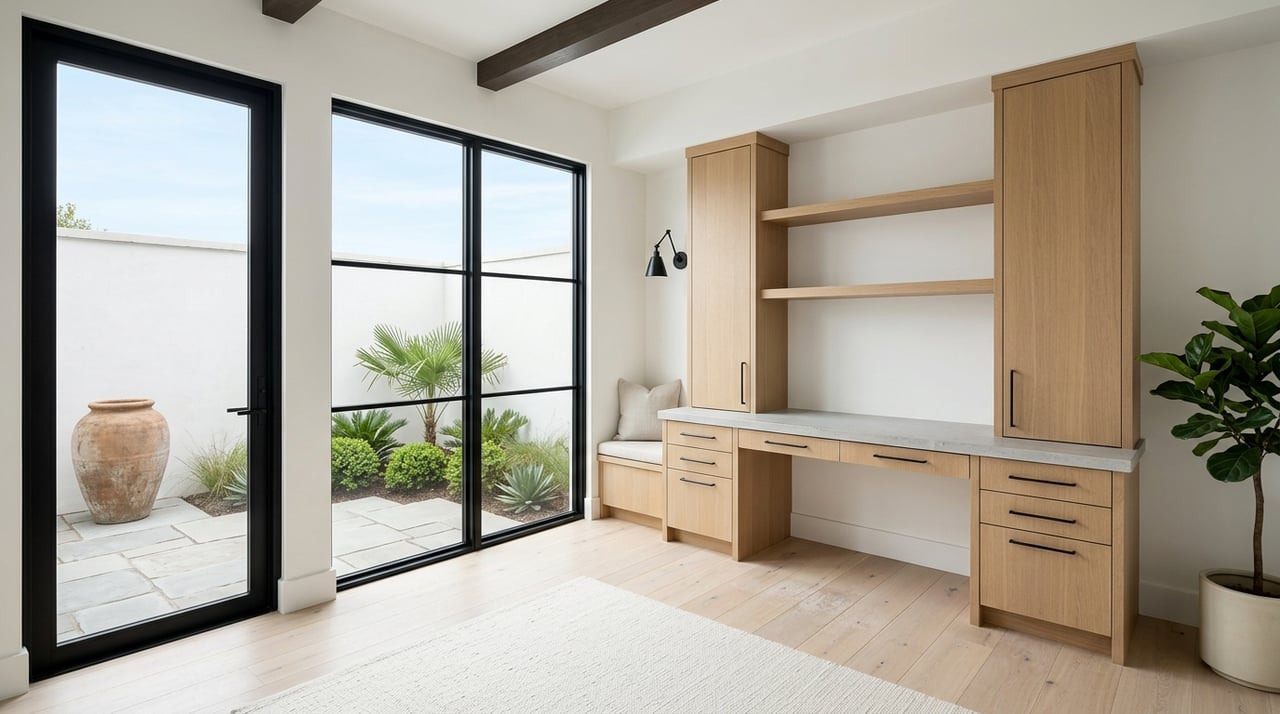
Before photos, create wide, clean sight lines. Remove bulky furniture, clear counters, and store personal items. Aim for a neutral canvas with simple textiles and fresh white bedding.
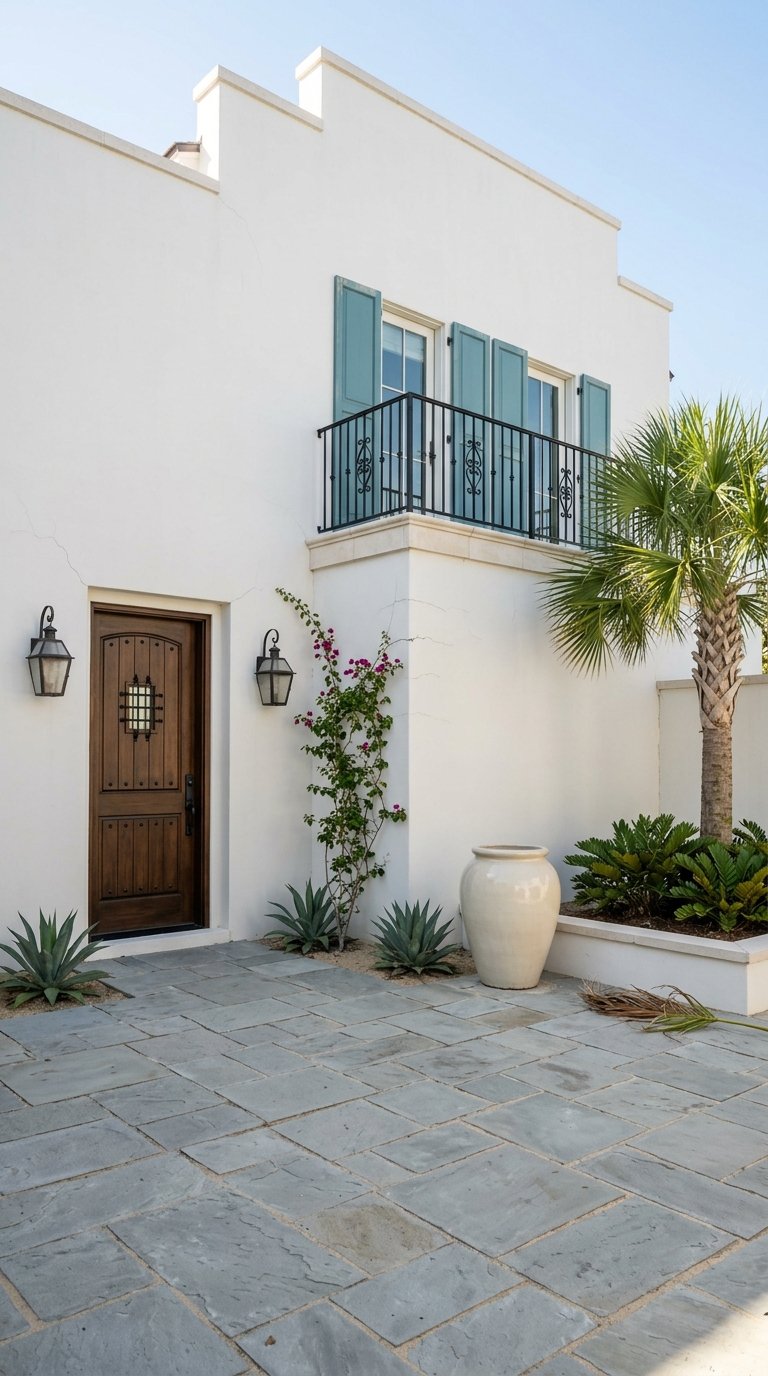
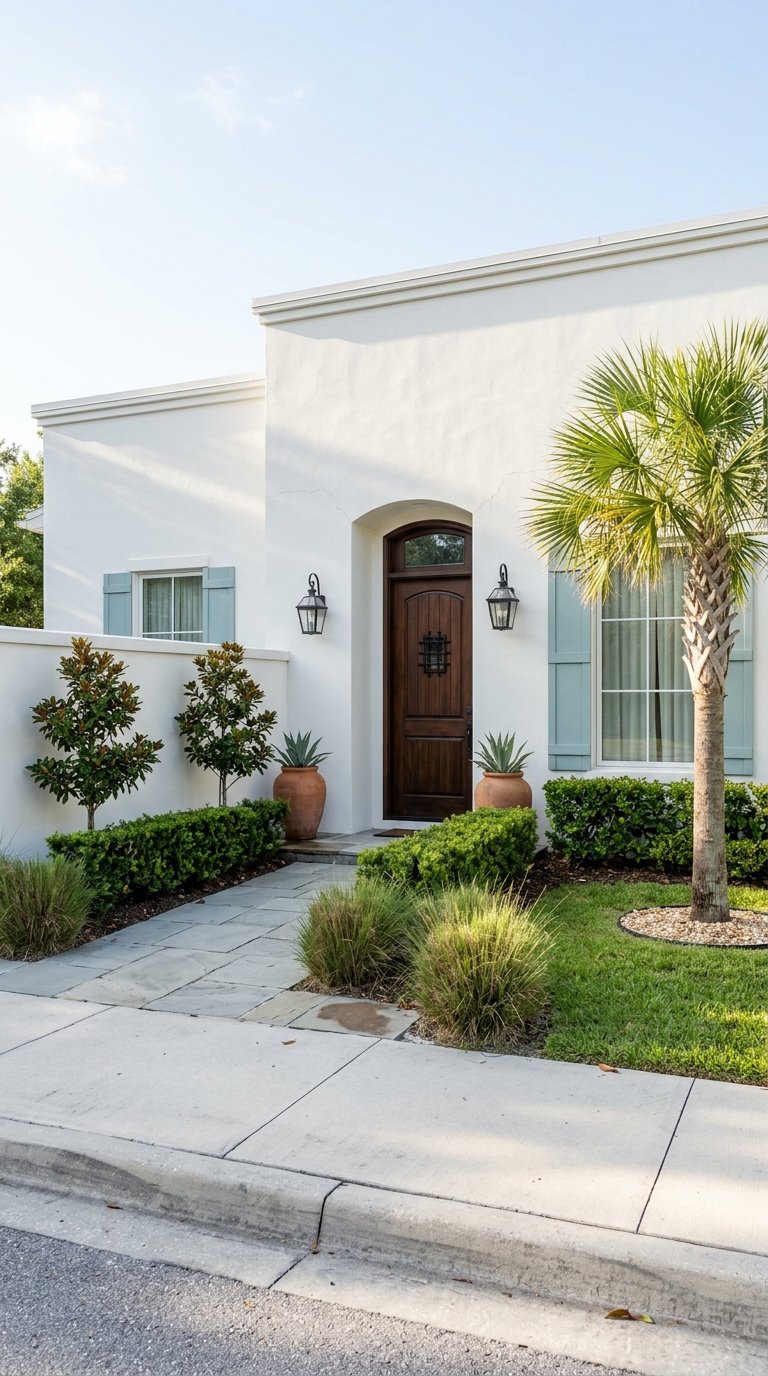
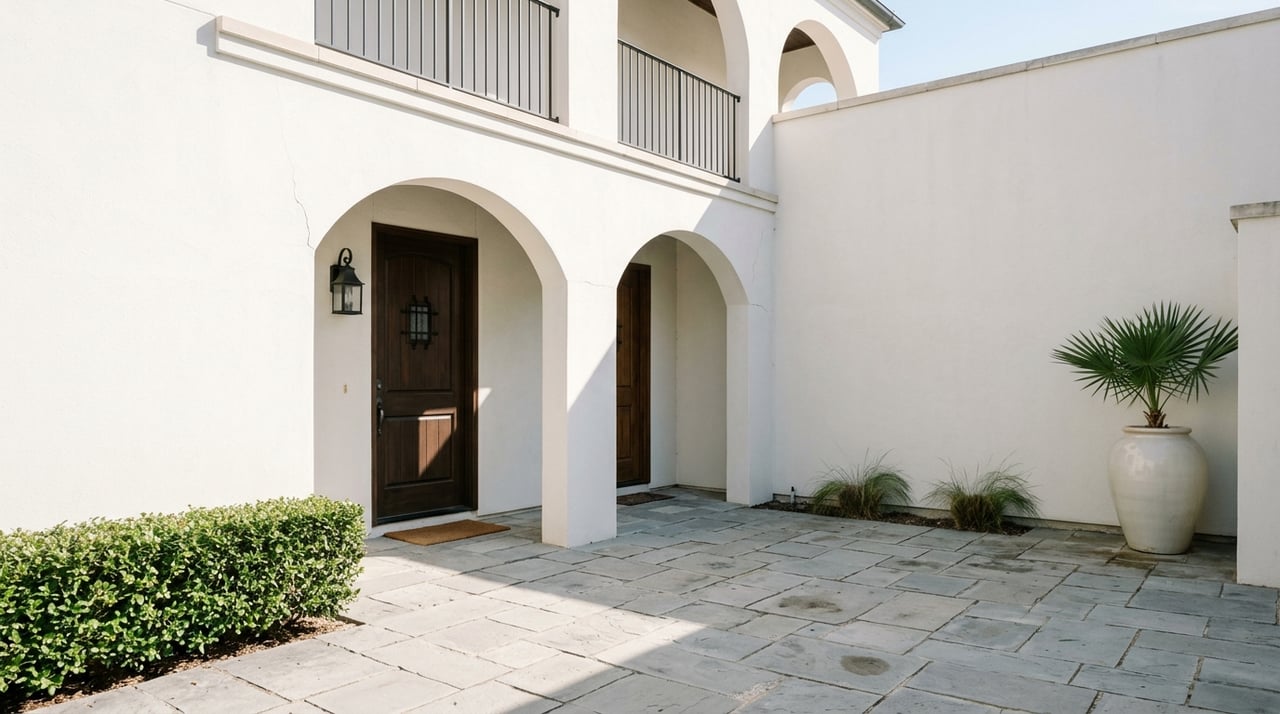
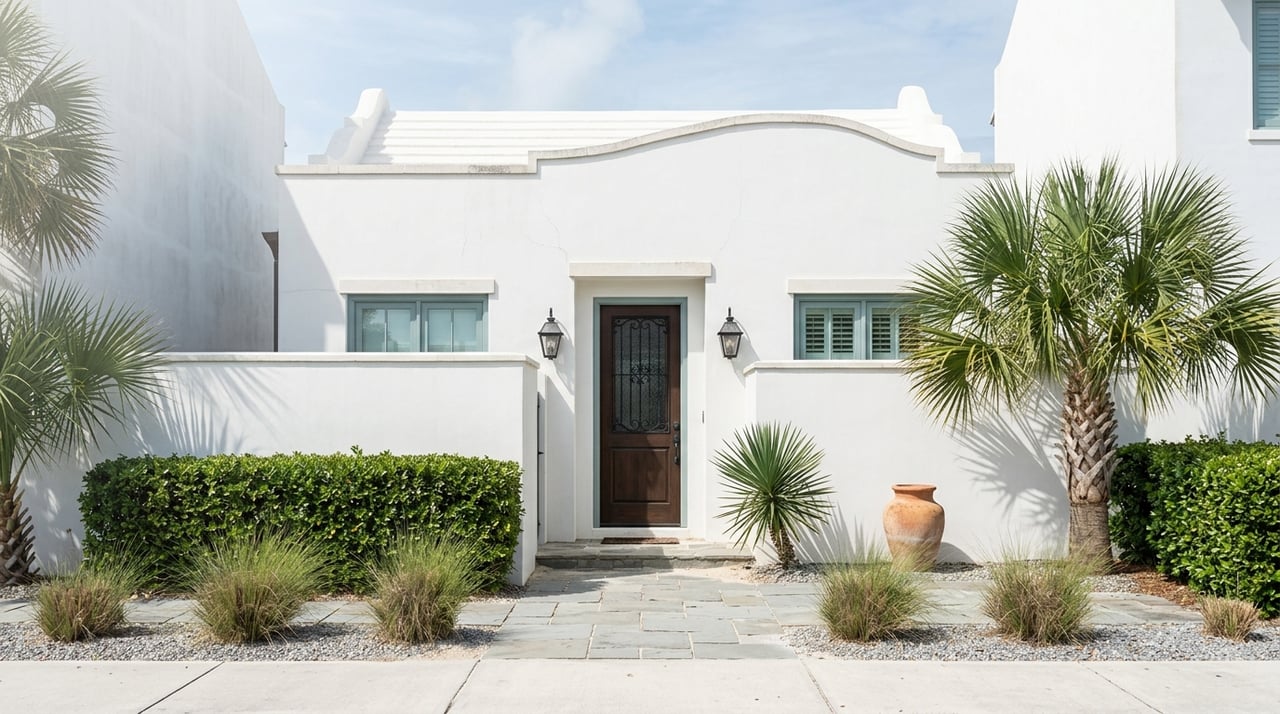
Boost coastal curb appeal with steps that play well in salt air:
Power wash siding, driveways, and pavers to remove salt residue.
Repaint the front door and trim where worn.
Refresh plantings with salt-tolerant species recommended by UF/IFAS. These choices look healthy longer and need less replacement.
Explore native, salt-tolerant options: UF/IFAS on seagrape and Florida natives
During showings and open houses, make insurance-friendly details obvious. If you have a recent wind-mitigation report, roof permits, or an elevation certificate, provide copies in a property packet or PDF. This reduces back-and-forth and builds trust.
Set a price that fits the last 30 to 90 days of nearby closed sales, not a broad county average. In a market with more inventory, slightly competitive pricing paired with great photos and a clean inspection story can deliver more showings and fewer price drops.
Seasonality still matters. Spring and early summer often bring more coastal search activity. If you need to move quickly, prioritize staging, photos, and documentation over large remodels. You can offer credits for cosmetic items rather than rush a big project.
Be ready for inspection negotiations. If your pre-inspection flagged roof, HVAC, or WDO issues, collect vendor bids in advance. You can then offer clear repair options or credits with credible pricing, which helps keep deals together.
Week 1: Foundation and safety
Week 2: Inspections and records
Order a pre-list home inspection and a wind-mitigation inspection if you do not have a current one.
Gather permits and receipts for major work, especially the roof and windows.
Pull your parcel file and tax history from the Bay County Property Appraiser.
Find parcel data and maps: Bay County Property Appraiser
Week 3: Cosmetic tune-up and flood due diligence
Week 4: Stage, shoot, and launch
You do not have to manage all of this alone. As a boutique, owner-led brokerage serving Bay and Walton counties, we combine hands-on guidance with modern marketing to reach the right buyers fast. Our team delivers professional photography and video, polished listing pages, targeted social campaigns, and virtual showing workflows that engage out-of-market buyers.
You get concierge support from start to sold. We help you price with hyperlocal data, organize pre-list inspections, coordinate trusted vendors, and package your wind-mitigation and flood documents so buyers feel confident. With verified production metrics, deep local reach from Panama City Beach to 30A, and consistent five-star reviews, we bring credible exposure and steady negotiation leadership.
Ready to prepare your Lynn Haven home to sell with less stress and more certainty? Connect with Beach House Sales and Development. Make Your Move — Let’s Talk.
You’ve got questions and we can’t wait to answer them.